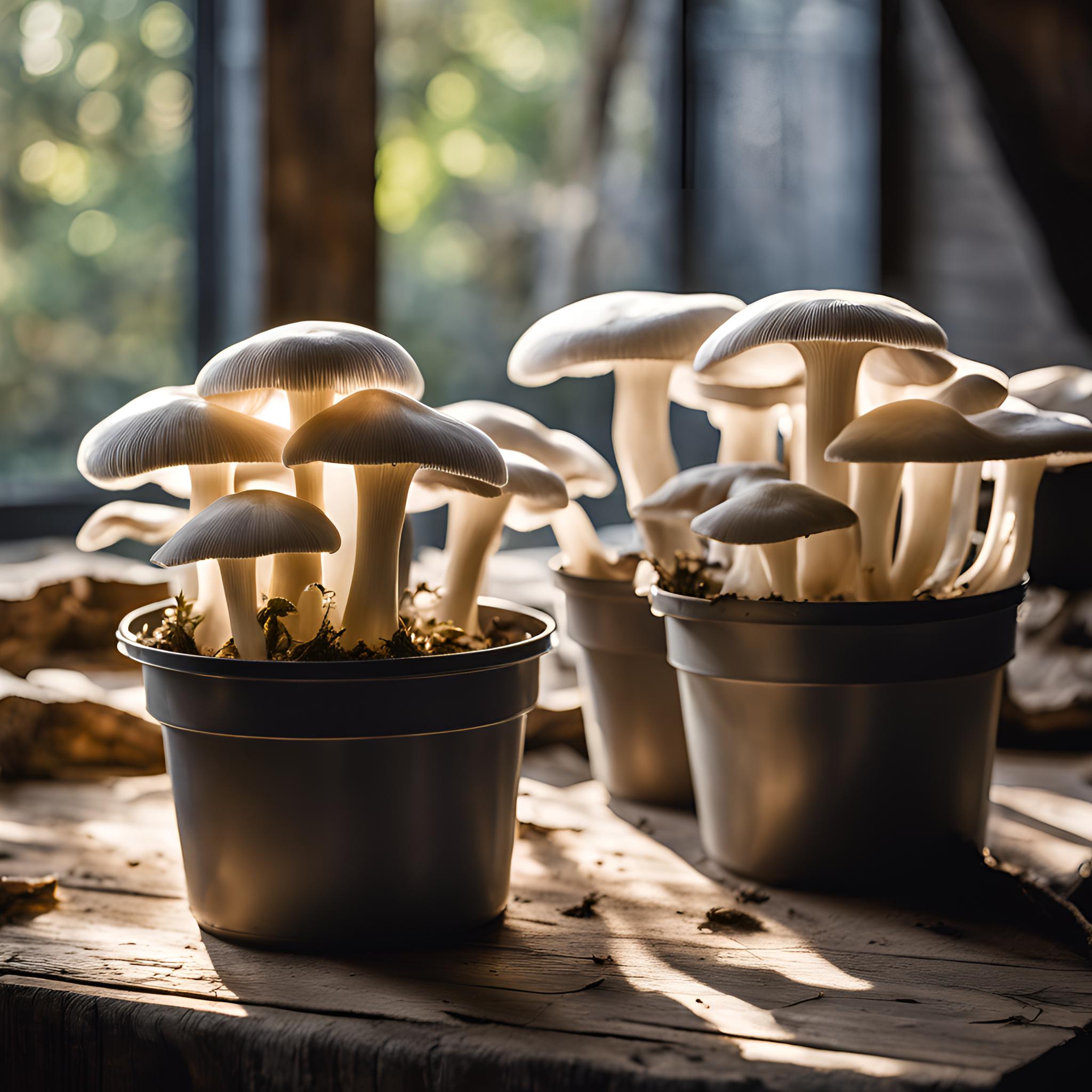
In a world increasingly concerned with environmental degradation and waste management, innovative solutions are urgently needed to address the growing plastic crisis. One of the most fascinating breakthroughs comes from an unlikely source: mushrooms. Yes, you can now grow mushrooms from plastic waste! This may sound like something out of a sci-fi novel, but it’s quickly becoming a viable and sustainable method to help combat plastic pollution while providing a renewable food source. In this article, we’ll explore how this process works, why it’s important, and how you can get started.
Understanding the Problem: Plastic Waste
Plastic pollution is one of the most pressing environmental issues today. An estimated 8 million tons of plastic enter our oceans every year, choking marine life, polluting ecosystems, and contributing to climate change. The vast majority of plastics are non-biodegradable, which means they persist in the environment for hundreds or even thousands of years, accumulating in landfills and natural habitats.
While efforts to reduce plastic usage and improve recycling rates are ongoing, we need to find creative solutions to manage the plastic waste already in circulation. This is where mushrooms come in.
How Mushrooms Can Help: Fungi and Biodegradation
Mushrooms belong to a group of organisms known as fungi, which are natural decomposers in ecosystems. They play a vital role in breaking down organic matter, recycling nutrients, and creating rich, fertile soil. Recent research has revealed that certain species of fungi, particularly the Pleurotus ostreatus (commonly known as the oyster mushroom), have the ability to degrade plastics, particularly polystyrene (the material used in foam cups, packaging peanuts, and takeaway containers).
The key to this process lies in the unique enzymes produced by fungi. These enzymes can break down complex organic molecules, including synthetic polymers like plastics, into simpler, digestible compounds. By harnessing this natural ability, scientists have developed methods to grow mushrooms from plastic waste, creating a sustainable solution that addresses two critical issues at once: plastic pollution and food insecurity.
The Science Behind Growing Mushrooms from Plastic Waste
Growing mushrooms from plastic waste involves a process called mycoremediation, where fungi are used to break down and degrade environmental pollutants. Here’s how the process works step by step:
- Plastic Waste Collection: Plastic waste, particularly polystyrene, is collected. It’s crucial to ensure that the plastic is free from contaminants like food residue or chemicals, as these could interfere with the growth of the fungi.
- Preparation of Plastic Substrate: The plastic waste is then shredded or cut into small pieces to create a suitable substrate for the fungi. This helps increase the surface area available for the mushrooms to grow.
- Inoculation with Mushroom Mycelium: Mycelium is the root structure of mushrooms, and it’s the part of the fungus responsible for breaking down organic material. The plastic waste is inoculated with mycelium spores, which begin to colonize the plastic.
- Degradation and Colonization: As the mycelium spreads through the plastic, it secretes enzymes that break down the plastic into smaller, simpler molecules. During this process, the plastic is slowly decomposed, and the mycelium absorbs the nutrients for growth.
- Mushroom Fruiting: Once the mycelium has fully colonized the plastic substrate, it will begin to fruit, producing edible mushrooms. These mushrooms, which are rich in nutrients, can then be harvested and consumed.
- Composting: After the mushrooms have been harvested, the remaining mycelium and broken-down plastic can be composted, further reducing environmental impact.